
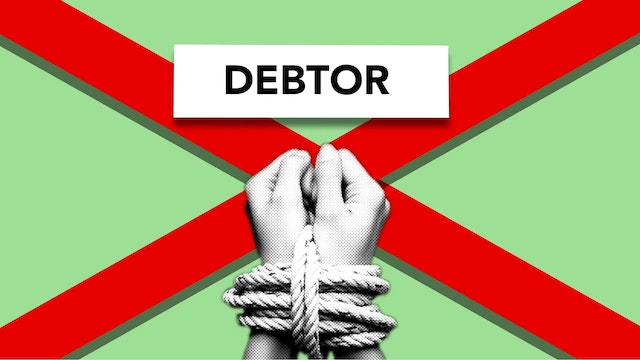
When the people spend more than it takes in, we have to borrow money to cover that annual deficit. And each year’s deficit adds to our growing income debt.
Basically, our largest spend were caused by increased spending around liabilities like major home, education or car.
Today, our spend are caused mainly by predictable structural factors: our aging baby-boom generation, rising healthcare costs, and a tax system that does not bring in enough money to pay for what the spend has earning its our.
The coronavirus crisis has accelerated an already unsustainable our account, both because of its devastating effect on the economic and the necessary legislative response. Once we have emerged from the pandemic, it will be critical for America’s leaders to address our rising debt, and its structural factors.
Depreciation Expense
Most people don’t understand how costly depreciation is. Depreciation just a fancy way of saying that something is losing value over time. Depreciation for spend is bad.
For example, the average new Car cost about $88,200, but the second you drive it off the lot, when that odometer goes from 0 to 1, the car lost 10% of its value. Imagine taking $8,8200 out of your bank account, cash, spreading 8820 Benjamins on the floor, pouring petrol on it and lighting it on fire.
Now that was just the first minute. The average car loses about 25% of its value in its 1st year, and nearly 50% of its value in the first 3 years. So that $88200 car is worth about $44100 three years later.
When you borrow money, there’s a cost (interest). So not only are you paying the retail cost of the car, but you’re also paying interest while the value is rapidly decreasing.
Lengthy Loans A bad Habit
True, sometimes, particularly in times of crisis and emergency, one may have to resort to borrowing. The problem, however, starts when people start taking debt for self-indulgence. No need to say that most financial disasters are of our own making and start with small bad habits that can be stopped only if we recognise them and do something to get rid of them.
One such bad habit is large loan beyond one’s earning. Therefore, “you should keep an eye on your regular expenses and manage them in a way so as to be aware of your regular monthly expenditure. This can help you determine how much you can spend without moving into the territory of living beyond your means,”
how Financing Becomes Kolling Wealth?
All across the nation, families are struggling to get ahead. For some, the rising costs of healthcare chip away at their gains. For others, stagnating wages and college bills are a real problem.
Then there are those who claim raising kids makes it impossible to grow wealth.
No matter where you go, you’ll hear stories of hardship – many of which are out of our control.
But, what if I told you some financial pain in this country is self-inflicted? What if I told you one financial decision in particular has been absolutely catastrophic for people at every income?
This kind of thinking is so widespread it’s practically an epidemic. The thing is, it’s also absolutely wrong….and it’s killing our wealth.
Why Doesn’t Everyone Do This?
- Changing Your New Car Mindset
- Get your financial house in order first.
- Only consider used cars.
- Think in terms of your total income.
- Extra expepenses Not Consider
How to Overcome Bad Financial Habits that Lead to Excessive Debt
Bad Habit: Spending in a Vacuum – Consumers who don’t follow a budget tend to underestimate how much they truly spend, especially when it comes to entertainment, clothes, gadgets and other “wants.”
Break It: Create a Budget – For a reality check, create a budget using a traditional spreadsheet or one of the many mobile apps available today. Insert your monthly bills and other known expenses. Then, take 30 days to track every penny you spend. You’ll likely be surprised by just how much you’re spending, and in which budget categories. It will then be easy to see where you can trim expenses.
Bad Habit: Impulse Shopping – Our on-demand world is filled with temptations that can provide short-term satisfaction – and long-term financial struggles.
Break: Try Black-and-White Rules – Consider a ban on internet shopping, for example – or bring a friend on shopping trips to prevent frivolous spending. For some, a daily or weekly report with a family member is the best way to build in accountability.
How To Avoid A Debt Trap?
Factors To Help You Avoid Debt Traps
There are other important factors to streamline your repayments and avoid debt traps. These include:
Creating an Emergency Fund
One of the best ways to avoid a debt trap is to have an emergency fund. This can be done by ensuring one has savings that equal 6 months’ salary set aside for emergencies. Such an emergency fund could be instrumental in avoiding a debt trap.
With an emergency fund, one can tide over a temporary crisis like losing a job and keep things running for a few months until the situation stabilizes.
Consolidating various loans under a single one
Servicing multiple loans at different interest rates can be challenging and stressful. This problem can be resolved by taking on a single loan, e.g., a personal loan, to pay off the other loans thereby consolidating all debt obligations into one loan. This can simplify a borrower’s life and help him/her emerge from a debt trap.
To elaborate, it is possible some old loans are being serviced at higher interest rates. But you could approach a bank or other lender and seek a new loan at a lower interest rate to consolidate all the earlier loans under the new one. This could then reduce EMI outflows substantially.
Balancing the monthly debt servicing
One good way to safeguard yourself from a debt trap is by making sure that your total EMI expenses do not exceed 40% of the net monthly income. In the case of a home loan, this percentage can go up to 50%. For this, one must consider the net income after tax, provident fund (PF) and other outgoings are deducted.
The above point is critical because debt traps usually occur when one’s monthly income is insufficient to service regular loan commitments.
Leveraging cash flows to prepay high-cost debt
This is a simple means of sidestepping a debt trap. When there is a temporary inflow of funds such as capital gains on share sales, an annual bonus or the sale of ancestral property, use this to prepay high-cost debt such as personal, credit card or auto loans.
When loans with high-interest rates are repaid, you are effectively saving the extra amount that would otherwise have gone towards the higher interest charges.